
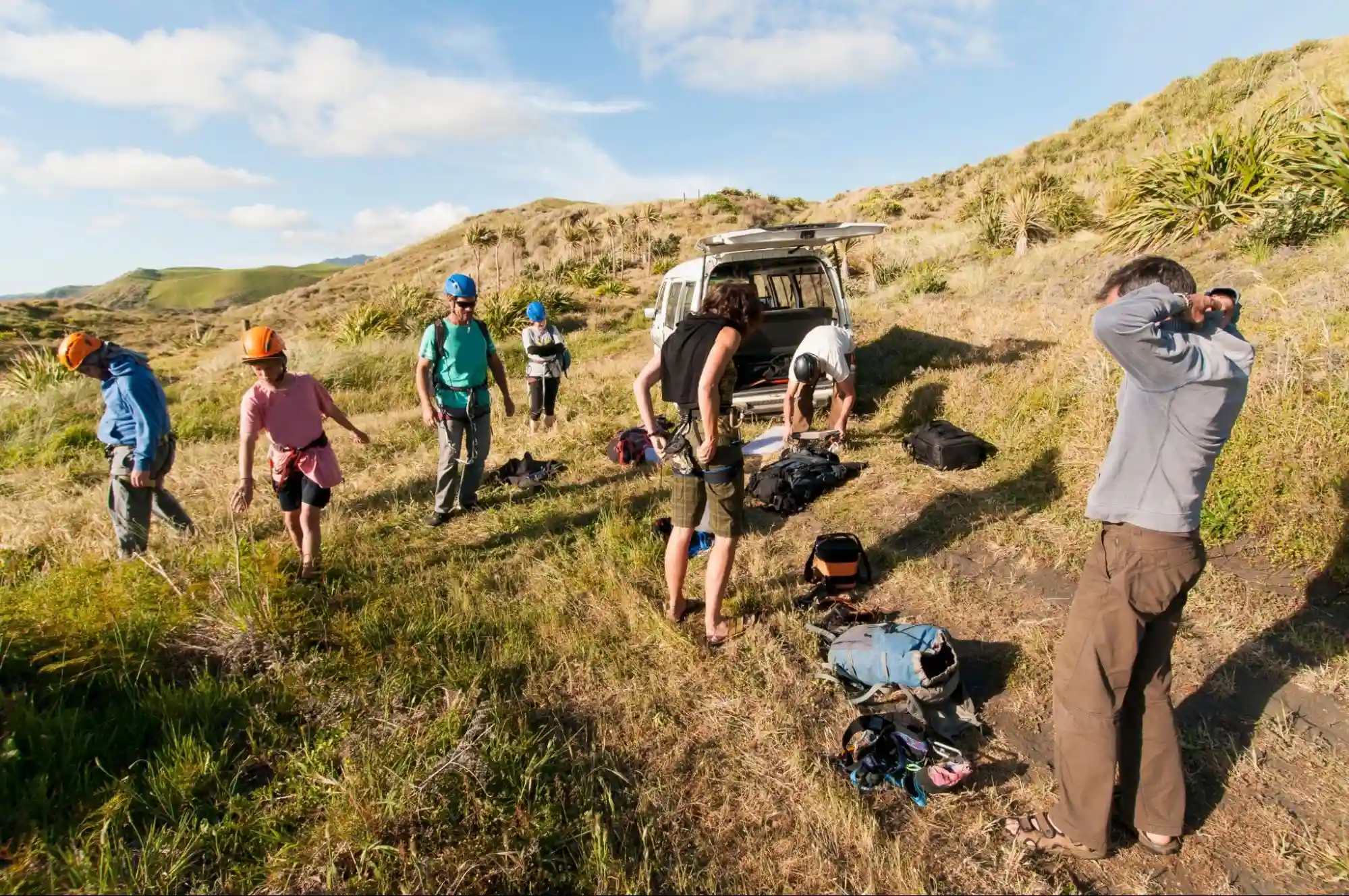
Adventure travel is no longer a niche interest. It has become one of the fastest-growing segments in global tourism. Travelers are no longer satisfied with passive vacations. They want movement, challenge, and real engagement with nature and culture. Adventure travel focuses on experiences that push physical limits, explore remote environments, and create emotional intensity. Instead of sightseeing from a distance, travelers participate directly in the environment. This shift reflects a broader lifestyle change. People now value experience over comfort and transformation over routine relaxation. Adventure travel is designed around that mindset.
Core categories of activities in adventure travel
Adventure travel includes a wide range of physical and immersive activities. These can generally be divided into land-based, water-based, and air-based experiences. Each category offers a different level of intensity, skill requirement, and environmental interaction.
Land-based adventure activities
Land-based adventure travel is the most common starting point for many travelers. It includes trekking, hiking, mountain climbing, and long-distance walking expeditions. These activities allow travelers to explore natural landscapes at ground level, often in remote or challenging terrain. Desert safaris are another popular option, offering off-road driving experiences across sand dunes and arid environments. Camping and wilderness survival experiences also fall into this category, where travelers disconnect from urban life and rely on basic survival skills in nature. These activities often require endurance, navigation awareness, and adaptability to changing conditions.
Water-based adventure activities
Water-based adventure travel focuses on exploration through rivers, lakes, and oceans. Rafting and kayaking are popular for river systems with varying levels of difficulty, from calm scenic routes to extreme white-water rapids. Scuba diving and snorkeling offer underwater exploration, allowing travelers to experience marine ecosystems up close. Surfing is another major activity, especially in coastal regions with strong wave conditions. These experiences require balance, water confidence, and in many cases, professional guidance. Water-based adventure travel is often unpredictable, which adds to its appeal and excitement.
Air-based adventure activities
Air-based adventure travel offers some of the most intense experiences. Paragliding allows travelers to glide over landscapes from high altitudes, offering a mix of freedom and adrenaline. Skydiving is one of the most extreme forms of adventure travel, involving freefall from an aircraft before deploying a parachute. Hot air balloon rides provide a calmer aerial experience, often focused on scenic views rather than thrill. Zip-lining and aerial obstacle courses are also common, especially in mountainous or forested regions. These activities require safety training and professional supervision, but they deliver unmatched perspective and excitement.
Nature-focused adventure travel experiences
Nature is the foundation of most adventure travel experiences. National parks and protected wilderness areas offer structured access to natural environments. These spaces are designed to balance exploration with conservation. Wildlife safaris are another major category, allowing travelers to observe animals in their natural habitats. Eco-tourism adventures focus on sustainability and environmental awareness, combining travel with conservation education. Some of the most advanced experiences include glacier hiking, volcano exploration, and extreme landscape travel. These environments are physically demanding and often require specialized equipment and guides. Nature-focused adventure travel emphasizes respect for ecosystems while still offering immersive exploration.
Cultural and expedition-style adventure travel
Adventure travel is not limited to physical challenges. Cultural immersion is also a key part of the experience. Remote village visits allow travelers to experience traditional lifestyles and local customs firsthand. Indigenous cultural tours offer deeper understanding of historical practices, often guided by local communities. Expedition-style travel includes following historical routes, ancient trade paths, or heritage trails that connect cultural landmarks across regions. These experiences combine physical movement with storytelling and historical context. They create a deeper connection between travelers and the places they visit.
Extreme adventure travel for thrill seekers
Some adventure travel experiences are designed for high-risk, high-intensity exploration. High-altitude climbing expeditions, such as mountain peak ascents, require advanced physical conditioning and technical skill. Deep-sea exploration and cave diving involve navigating underwater environments with limited visibility and high complexity. Polar expeditions in Arctic or Antarctic regions present extreme cold conditions, isolation, and logistical challenges. These types of adventure travel are not for beginners. They require training, preparation, and professional support. However, they represent the highest level of exploration within adventure tourism.
Adventure travel activities for beginners vs experts
Low-risk beginner-friendly activities
Not all adventure travel is extreme. Many experiences are designed for beginners. Guided hiking trails are one of the most accessible options. These routes are usually marked, safe, and supported by guides. Light water sports such as canoeing or beginner kayaking also fall into this category. Nature walks, forest trails, and wildlife observation tours provide exposure to adventure travel without high physical risk. These activities help travelers build confidence before moving into more advanced experiences.
Advanced adventure travel challenges
For experienced travelers, adventure travel becomes more demanding. Technical climbing requires rope systems, safety gear, and advanced training. Long-distance trekking across multiple days or weeks tests endurance and mental resilience. Solo survival expeditions push travelers to rely on navigation skills, resource management, and environmental awareness. These advanced experiences are designed to challenge both physical ability and psychological strength.
How geography influences adventure travel activities
Geography plays a major role in shaping adventure travel experiences. Mountain regions naturally support trekking, climbing, and alpine exploration. Coastal destinations are ideal for surfing, diving, and water sports. Desert landscapes offer off-road driving, camel trekking, and survival-based travel. Tropical environments provide jungle trekking, river exploration, and biodiversity-focused tours. Climate conditions also affect activity availability. Seasonal changes determine whether certain routes or activities are accessible. Understanding geography helps travelers choose experiences that match both skill level and interest.
Safety and preparation in adventure travel
Safety is a critical part of adventure travel. Many activities require trained guides, certifications, or structured supervision. Proper equipment is essential, including helmets, harnesses, wetsuits, or navigation tools depending on the activity. Physical preparation is also important. Travelers often need to build endurance or specific skills before participating in advanced experiences. Travel insurance that covers adventure activities is strongly recommended. Risk management is not about avoiding adventure but about ensuring controlled and responsible participation.
Sustainability in adventure travel experiences
Sustainability has become a core focus in modern adventure travel. Eco-friendly tourism practices aim to reduce environmental impact while preserving natural spaces. Responsible wildlife interaction ensures animals are not disturbed or exploited during tours. Supporting local communities through guided experiences helps distribute economic benefits more fairly. Many operators now follow strict environmental guidelines, including waste reduction and conservation efforts. Sustainable adventure travel ensures that future generations can also enjoy these environments.
Future trends shaping adventure travel
Adventure travel is evolving with technology and changing traveler expectations. GPS tracking, mobile apps, and AI-based planning tools are making travel safer and more accessible. Personalized itineraries are becoming more common, allowing travelers to design experiences based on fitness level and interest. Eco-conscious travel is also growing, with more people choosing low-impact, slow-paced adventure experiences. The future of adventure travel is likely to be more customized, more sustainable, and more connected to digital tools.
Conclusion
Adventure travel continues to expand because it offers something traditional tourism cannot. It combines physical activity, emotional challenge, and real-world exploration. Travelers are increasingly seeking experiences that feel meaningful rather than passive. Whether it is trekking through mountains, diving into oceans, or exploring remote cultures, adventure travel creates lasting impact. It changes how people see the world and how they see themselves. As the industry evolves, adventure travel is becoming not just a travel choice, but a personal transformation experience that connects people to nature, culture, and challenge in a deeper way.